
 Purchase policy

 Face mask
 Protective shoes
 Uniform clothes
 Glove
GloveProtective clothing is a crucial part of ensuring workplace safety in many industries such as healthcare, manufacturing, and construction. Therefore, choosing the right protective clothing not only protects yourself but also increases work productivity. In this article, An Viet will help you understand each type of protective clothing in detail and how to choose the right one.
Understanding work safety clothing
In many different professions, workers often face working environments involving exposure to toxic chemicals or environments with many viruses, etc. To protect the health of workers throughout the work process, specialized protective clothing must be used to ensure safety while performing their jobs.
Most specially designed workwear helps protect workers from potential hazards in harsh working environments. Furthermore, each industry has its own regulations regarding protective clothing, so garments need to be produced in various types and styles to suit different worker needs.
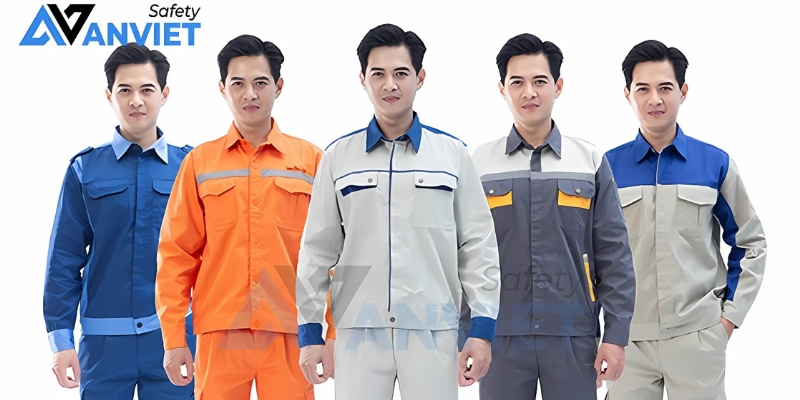
Classification of protective clothing by occupation
Work safety clothing is not just attire; it’s also a shield protecting workers from workplace hazards. Depending on the specific industry, different types of safety clothing are designed to meet specific standards, ensuring safety and effectively supporting workers. Some common types of safety clothing include:
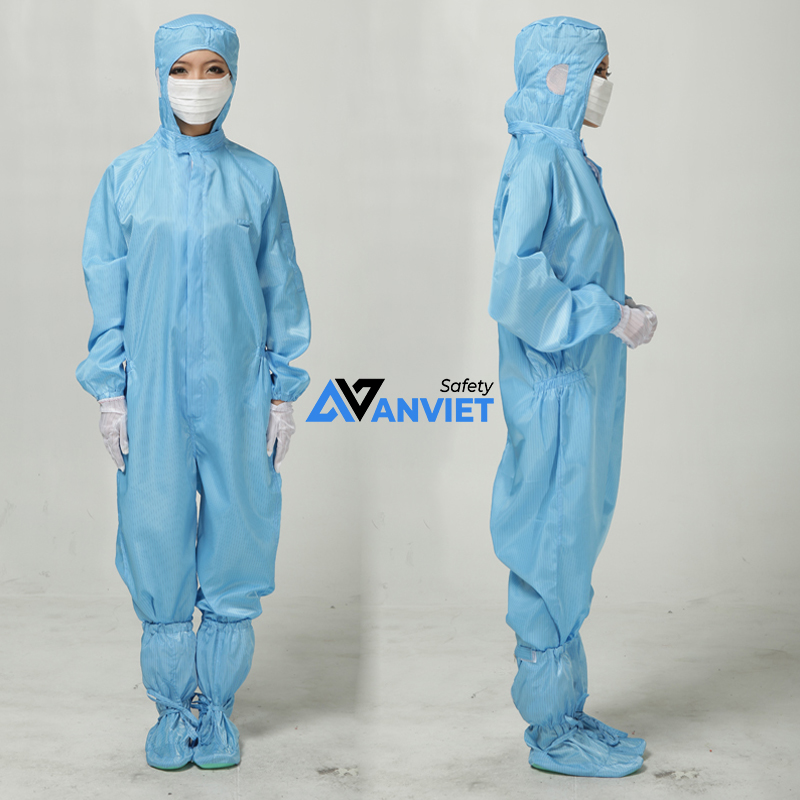
1. Medical protective clothing
Medical protective clothing is specialized attire for doctors, nurses, and healthcare workers. More specifically, this type of protective clothing is often made from special materials such as non-woven fabrics or highly water-resistant materials to effectively prevent the spread of bacteria and viruses.
In particular, medical protective clothing must effectively control infectious diseases and prevent the spread of bacteria, viruses, or substances that could harm humans. Medical protective clothing is usually thoroughly inspected to ensure it meets standards and gives workers peace of mind when using it in a hospital environment.
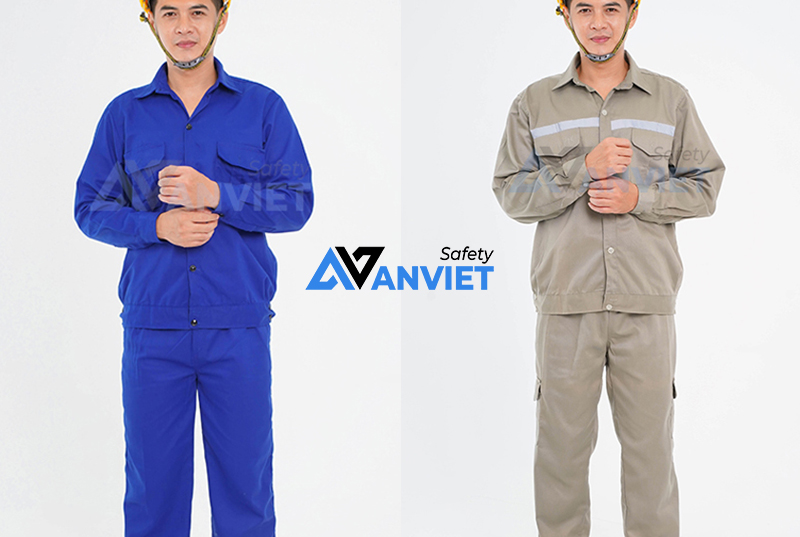
2. Construction protective clothing
Construction protective clothing is specially designed to cope with the dusty and impact-prone work environment on construction sites. With high durability, sun protection, and impact resistance, this clothing helps protect workers throughout their long working hours.
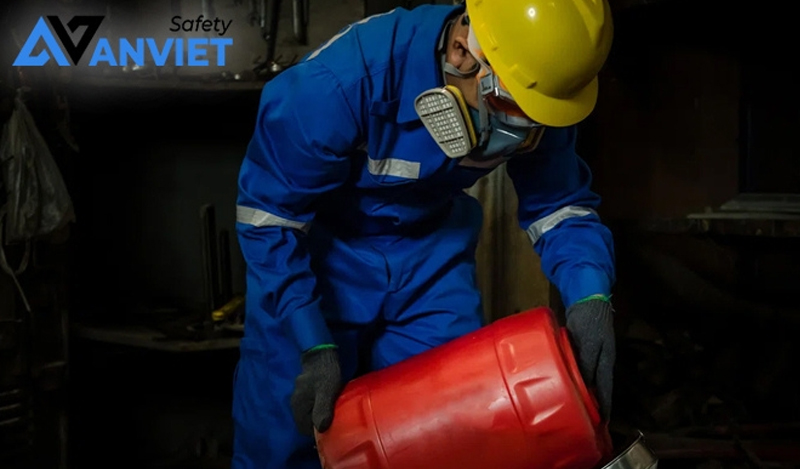
3. Protective clothing for the mechanical and mining industries.
The mechanical and mining industries are unique work environments where workers are frequently exposed to sparks, fine dust, and sharp objects. Therefore, protective clothing in these fields is manufactured from fire-resistant, abrasion-resistant, and high-temperature resistant materials. Some products also incorporate thermal insulation to provide maximum protection for workers in heavy industrial environments.
4. Protective clothing for the food industry
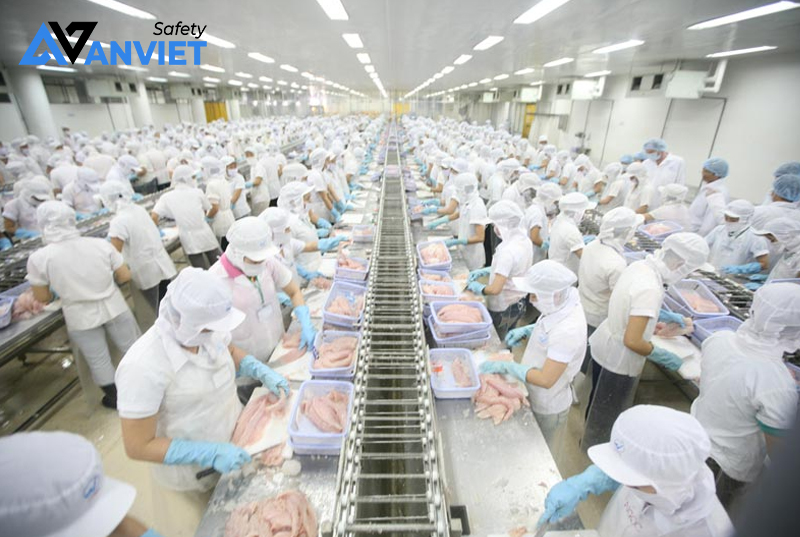
Food industry protective clothing is designed to protect workers from hazardous agents such as bacteria, chemicals, and extreme temperatures in the workplace. With its absorbent material and loose-fitting design, this clothing ensures hygiene, warmth, and comfort for the wearer.
In addition to protecting health, protective clothing in the food industry helps maintain food hygiene and safety, preventing dirt, odors, and bacteria from the human body from contaminating products. This contributes to enhancing the reputation of the business and building trust with customers and partners.
5. Protective clothing for the power industry
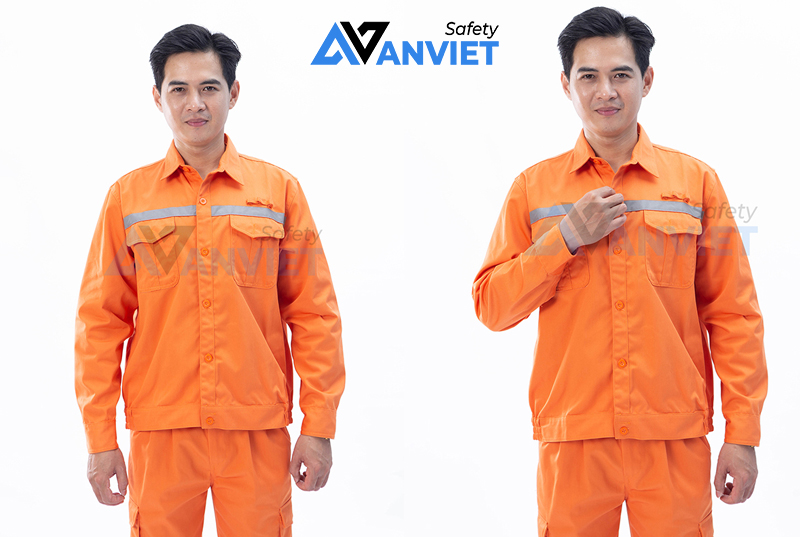
Protective clothing for the electrical industry is essential attire that helps protect workers from the risks of electric shock and other hazards while working with electrical systems. Specially designed from khaki or Pangrim fabric, they are UV-resistant, durable, and breathable, providing comfort for the wearer.
In addition to protecting health, electrical work protective clothing also helps increase professionalism and work efficiency. Characteristic colors such as orange, yellow, red, or dark blue, combined with details like tool pockets, help electricians easily perform tasks and ensure safety in all situations.
Advantages of using protective clothing
The use of protective work clothing is not only a mandatory requirement but also offers many practical benefits to workers in hazardous work environments. It is one of the crucial factors in protecting the health and safety of workers.
1. Protect workers from injury.
Protective work clothing helps minimize the risk of accidents and injuries in the workplace. For example, in the construction industry, workers come into contact with heavy materials and sharp tools; protective clothing helps prevent impacts and injuries from sharp objects, reducing the risk of injury when working in hazardous environments.
In particular, in jobs with a risk of fire or explosion, fire-resistant protective clothing is crucial to prevent burns and serious injuries.
2. Limit exposure to toxic substances.
Workers are often exposed to chemicals, petroleum products, and occupational health bacteria and viruses. Protective clothing made from waterproof or antimicrobial materials helps prevent these substances from penetrating the body, protecting workers’ health from diseases and infections.
3. Flexibility at work
Most types of work safety clothing are designed to meet the needs of workers’ movement, allowing for easy and unrestricted movement. In addition, protective clothing is made from breathable, antibacterial materials, helping workers feel comfortable even when working in hot or dusty environments.
4. Ensuring workplace safety
The use of protective clothing not only protects workers but also helps businesses comply with workplace safety regulations. This not only protects health but also limits legal risks regarding workers’ rights.
Criteria for choosing quality protective clothing
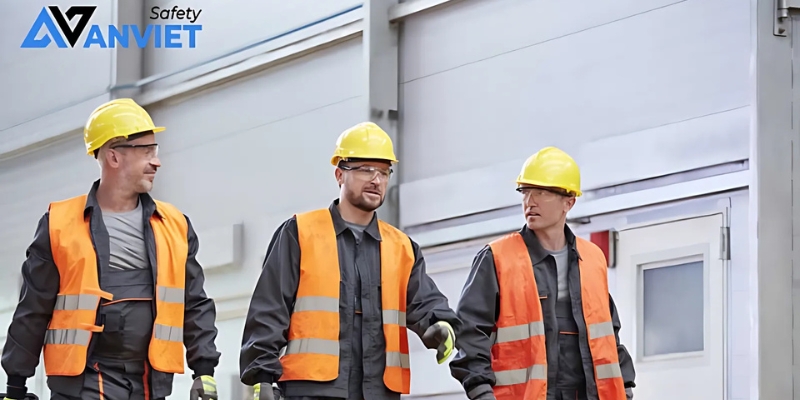
Generally, high-quality work safety clothing helps protect workers from hazards and accidents during the work process. To ensure maximum protection, several important factors should be considered when choosing work safety clothing:
1. Safety standards
Protective clothing must meet occupational safety standards, including EN 340 specifically for protective clothing or EN 11612 for fire protection. The products must maintain these standards throughout their use.
2. The size fits the body.
When choosing protective clothing, ensure it fits properly; clothing that is too tight will hinder movement, while clothing that is too loose can be cumbersome and impede work. Therefore, when selecting, you need to ensure that the protective clothing is the right size for your body while also allowing for flexibility in all movements.
3. Durability and washability
Durability of work safety clothing is a crucial factor to consider, as the product needs to withstand the impact of harsh working environments. High-quality products are abrasion-resistant, heat-resistant, and easy to wash without losing their protective function. Work safety clothing that can be washed multiple times while maintaining its functionality is an ideal choice for workers.
4. Reputable brand
Protective clothing from reputable brands will give you more peace of mind regarding product quality and functionality. In addition, reputable brands regularly update their designs and features, allowing workers to choose the best products.