
 Purchase policy

 Face mask
 Protective shoes
 Uniform clothes
 Glove
GloveWhen choosing safety shoes, understanding safety shoe standards is essential to ensure maximum safety. Let’s explore common standards and tips for choosing quality safety shoes for an effective work environment in the article below.
Current standards for common safety shoes
Safety footwear is an important part of protecting workers in high-risk work environments. International standards for safety footwear are established to ensure the safety and effectiveness of the product.
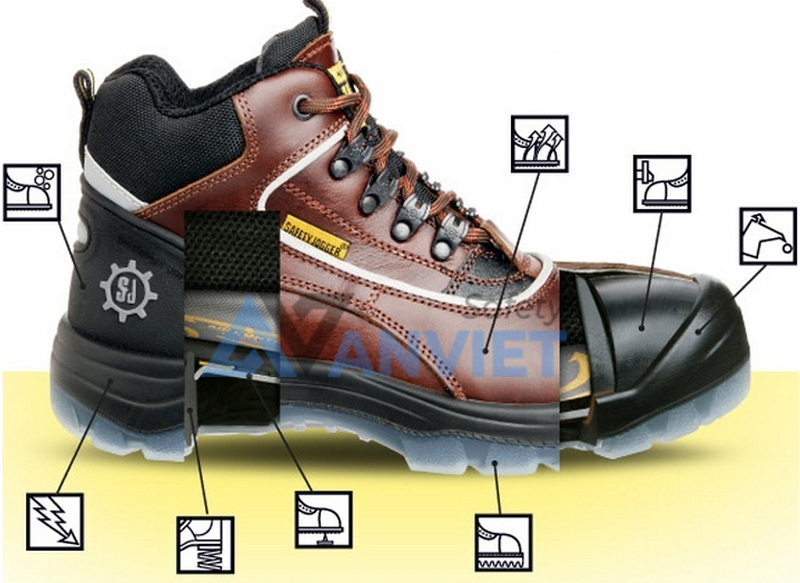
1. International standards for safety shoes
European standards
Europe has extremely stringent safety shoe standards, designed to protect workers in various work environments. The two most important standards include:
- EN ISO 20345 (SB, S1, S2, S3): This is the basic standard for safety and protection of safety footwear. These requirements include resistance to crushing, impact, puncture, water, and many other factors. The symbols SB, S1, S2, S3 indicate different levels of protection, from basic (SB) to advanced (S3).
- EN ISO 20347 (OB, O1, O2, O3): This standard applies to industrial footwear without impact-resistant toe caps. Instead, footwear is classified based on slip resistance, water resistance, comfort, and durability. The OB, O1, O2, and O3 levels also represent different levels of protection.
Asian standards
Although Asian countries primarily use the EN ISO 20345 standard as a foundation, each country also develops its own standards. This is to ensure that products are suitable for the local culture and working conditions.
- China: The GB 21148 standard specifies the technical requirements for safety footwear, with particular emphasis on slip resistance and worker protection in industrial work environments.
- Japan: The JIS T8101 standard places high demands on the protective properties of footwear, ensuring safety in environments with risks of impact, sharp objects, or slipperiness.
- India: The IS 15298 standard is similar to international standards, focusing on protecting workers’ feet and ensuring safety in harsh working environments.
2. Standards for safety shoes in Vietnam
In Vietnam, safety footwear standards are also based on the EN ISO 20345 standard, but with adjustments to suit local working conditions. The main standards include:
- TCVN 6978:2001: This standard specifies the grip requirements for shoe soles, especially on wet and slippery surfaces. The purpose is to ensure the safety of workers and prevent accidents caused by slips and falls when working on slippery surfaces.
- TCVN 9333:2012: This standard addresses the technical requirements for safety footwear, including materials used, design, product quality, and testing to verify protective capabilities.
- TCVN 2210:2017: This is the latest standard in Vietnam, equivalent to the European standard EN ISO 20345, requiring safety shoes to provide the maximum level of protection and safety. This standard applies to all types of safety shoes in various industries.
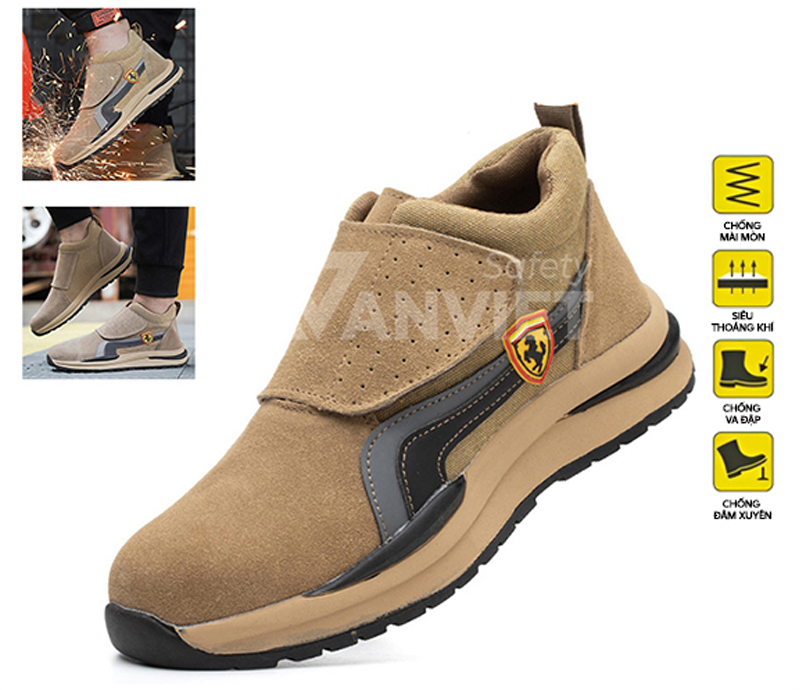
Why should you choose a pair of safety work shoes that meet safety standards?
Thoroughly understanding the standards for safety shoes is extremely important, as this is not only a matter of protecting the health of workers but also affects work efficiency and compliance with legal regulations.
Ensuring worker safety
Safety shoes that meet international safety standards help protect workers’ feet from unwanted accidents such as impacts, punctures, or slips and falls. These features are crucial in hazardous work environments where every step carries potential risk.
Choose shoes that are suitable for the specific job requirements.
Safety shoe standards are designed specifically for different environments, such as wet areas, high-temperature work, or chemical exposure. Understanding these standards will help you choose the right type of safety shoes, thereby maximizing the protection of workers’ health and safety.
Comply with legal regulations.
Each country has its own safety footwear standards to ensure compliance with workplace safety regulations. Businesses that use standard-compliant safety footwear not only protect their employees but also avoid legal risks and violations of workplace safety regulations.
Improve work efficiency and save costs.
High-quality safety shoes help workers perform their jobs more efficiently and avoid injuries or workplace accidents. This not only minimizes treatment costs but also reduces losses due to work disruptions and production stoppages.
Increase the durability of safety shoes.
Choosing safety shoes that meet international standards will result in greater product durability, extending the lifespan of the shoes and reducing the frequency of replacements. This will also save businesses money on maintenance costs.
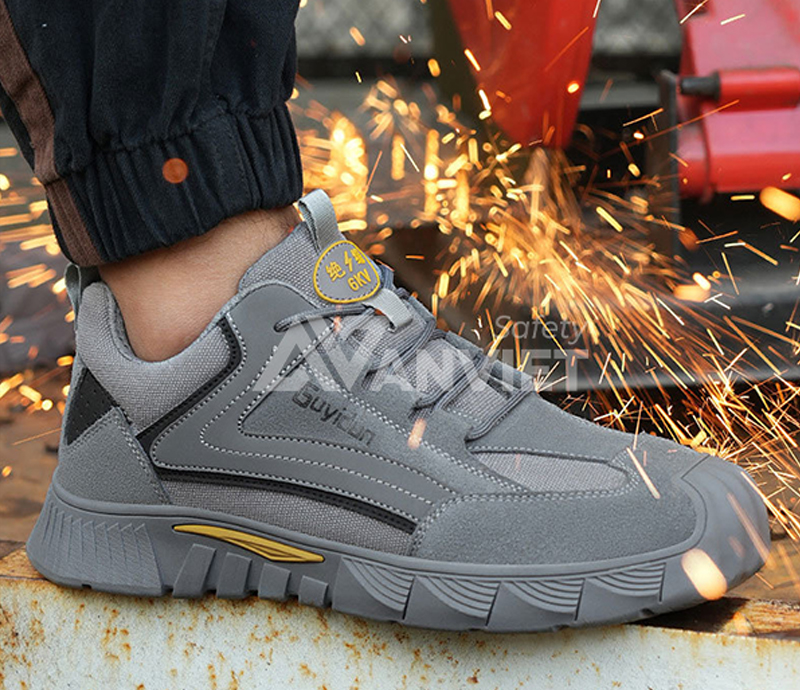
Tips for choosing quality and suitable safety work shoes.
When buying safety work shoes, choosing the right product is not only about protecting your feet but also ensuring long-term health and work efficiency. Here are some important criteria you need to consider:
- Comply with safety footwear standards: Ensure your safety footwear meets the safety standards relevant to your profession. Adherence to these standards helps protect workers from accident risks in hazardous work environments.
- The right type of safety footwear: Each work environment has its own specific safety requirements. If you work with heavy machinery, steel-toe boots are the optimal choice to protect your feet from strong impacts. Meanwhile, if working in a wet or slippery environment, non-slip boots will help you move more safely. Identifying the right type of footwear for the job will enhance protection and comfort while working.
- Comfort and breathability: Safety work shoes not only need to be durable and safe but also ensure comfort throughout long work shifts. Choose shoes with soft cushioning, good foot support, and flexible adjustability for a comfortable fit. In particular, the shoes need to be breathable to prevent sweating and keep you feeling dry all day long.
- High durability: Safety work shoes must withstand strong impacts in harsh work environments. Choose shoes made from high-quality materials such as leather or synthetic fabrics, ensuring superior durability and the ability to meet job requirements.
- Size and fit: Choosing the right shoe size is crucial for optimal comfort and protection. Shoes that are too tight or too loose can cause discomfort and even lead to foot health problems. Try on shoes and make sure they fit your feet properly.
- Brand Reputation: Finally, choose safety shoes from reputable brands. Reviews from previous users will help you determine product quality. A trustworthy brand will ensure your safety shoes are of high quality, provide good protection, and are durable.
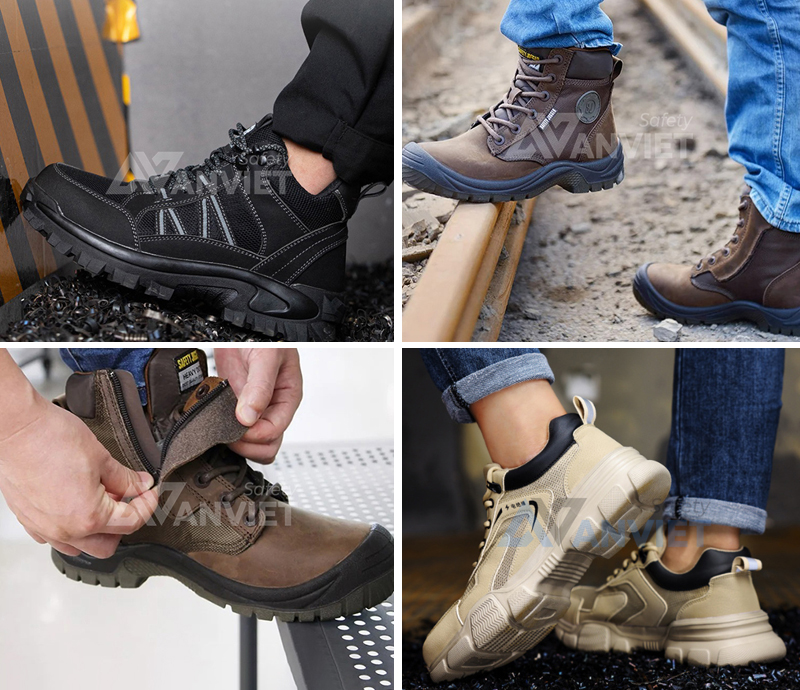
Conclusion
Understanding safety shoe standards is crucial for choosing the right product, maximizing worker protection, and improving work efficiency. Remember to prioritize quality, comfort, and durability when selecting safety shoes to ensure long-term safety. An Viet hopes that this information will be helpful in making informed decisions about purchasing safe and high-quality safety shoes.